Self-Inquiry and the Question “Who am I?”:
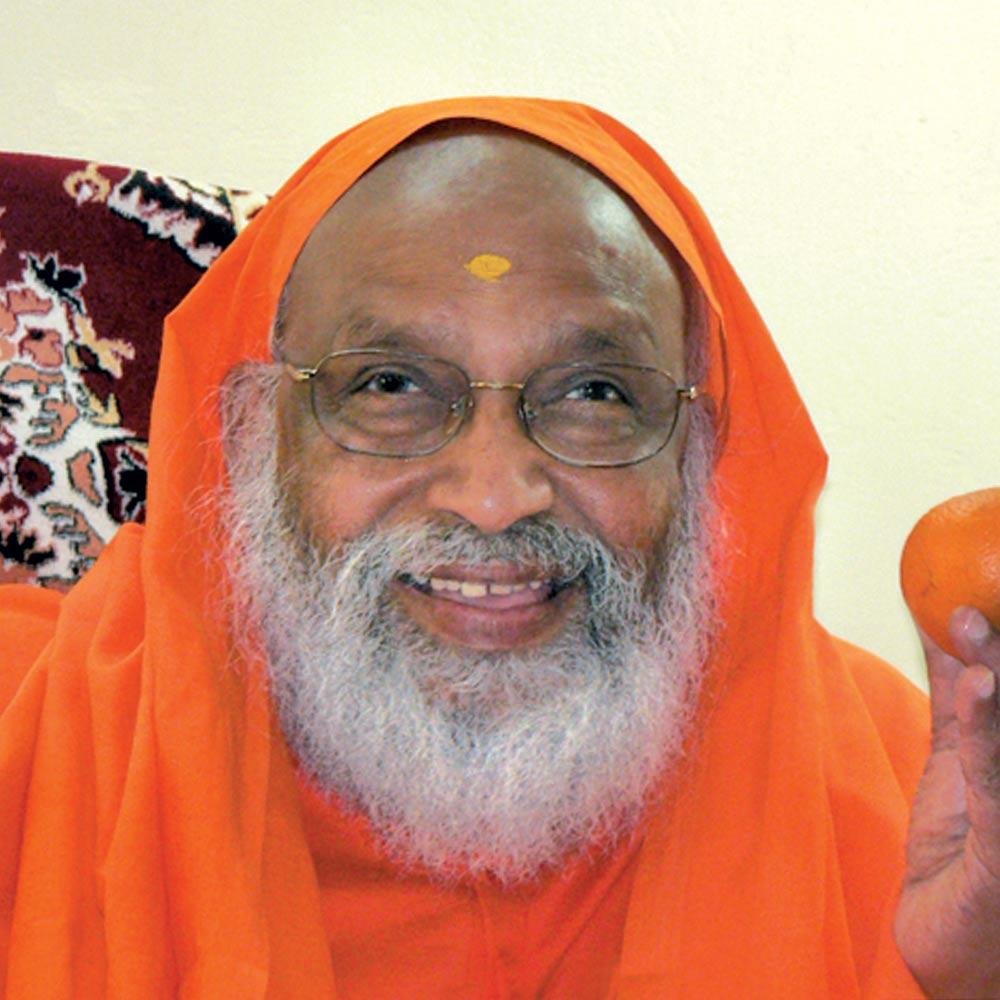
Swami Dayananda emphasizes the fundamental question of self-inquiry:
“Who am I?” This question delves into understanding one’s true self beyond physical and psychological identities. He points out that many of our emotions and experiences are rooted in unconscious factors, and exploring these can lead to greater self-awareness.
Human Pursuits: Artha, Kama, Dharma, and Moksha:
In Indian culture, there are four primary human pursuits: artha (security and wealth), kama (pleasure), dharma (righteous living), and moksha (liberation). Swami Dayananda explains that while artha and kama are common pursuits, adhering to dharma is crucial for righteous living and ultimately achieving moksha, or liberation.
Role of a Guru:
The guru plays a crucial role in guiding an individual towards self-knowledge. A true guru is one who can make the disciple see that they are not different from the guru. Swami Dayananda stresses the importance of finding a knowledgeable and traditional teacher who can provide the right methodology for teaching Vedanta.
Self-Knowledge and Vedanta:
Vedanta, the end of knowledge, is about realizing the self as the infinite. Swami Dayananda explains that self-knowledge is not about acquiring new information but about removing the ignorance that veils one’s true nature. This knowledge reveals the self as the whole, where the subject and object are one.
Practical Application and Living:
Swami Dayananda advocates for living with objectivity and without projected values or judgments. He advises practicing alertness and discipline in daily activities and stresses the importance of controlling speech and actions to maintain clarity and focus.
Sadhana (Spiritual Practice):
Spiritual practice, or sadhana, is essential for preparing the mind for self-knowledge. This involves disciplines such as viveka (discrimination), vairagya (renunciation), shradda (faith), and patience. Sadhana helps in reducing unnecessary thoughts and activities, thereby aiding in the pursuit of enlightenment.